Exercises for the upper back with photos and instructions.
Exercises for the upper back improve its mobility and make the muscles around your shoulder blades stronger, creating space and relaxation again. The upper back forms the foundation for an active, upright posture and is closely connected to the movement of your shoulder blades. A lot of seated work, stress or one-sided loading can cause this area to become stiff and tension in your neck and shoulders to rise. Below are exercises physiotherapists can use to actively support your posture.
This page provides general information and is not a substitute for physiotherapy advice. If you have any complaints, consult a physiotherapist.
Exercise sheet · Upper back · 11 exercises
Exercises for your upper back
General examples with an image and a short explanation. Which exercises suit you is something you decide together with your physiotherapist.
-
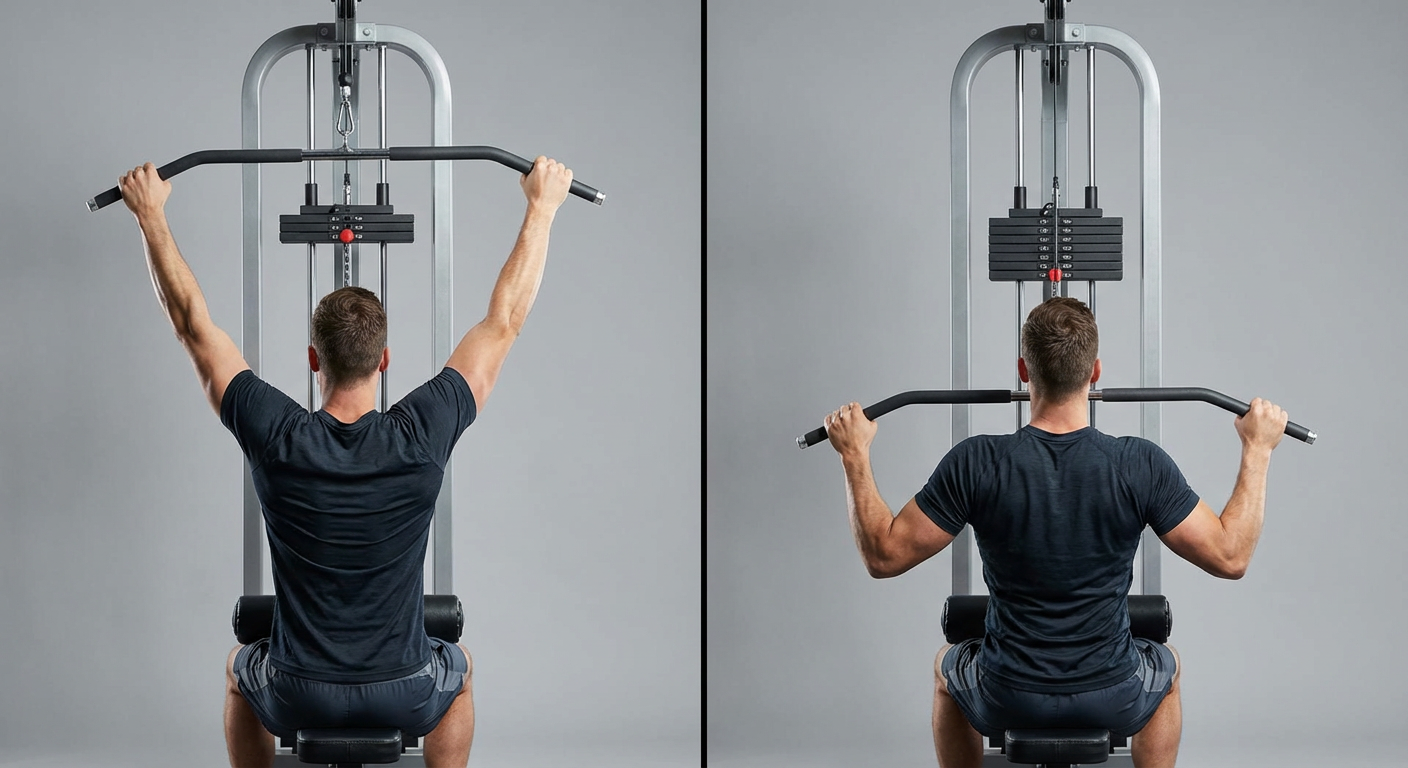
01Lat Pulldown
Lats · Biceps
Sit down and grip the bar with a wide grip. Pull the bar to your chest as if bringing it to your collarbones. Let the bar rise back up under control.
-
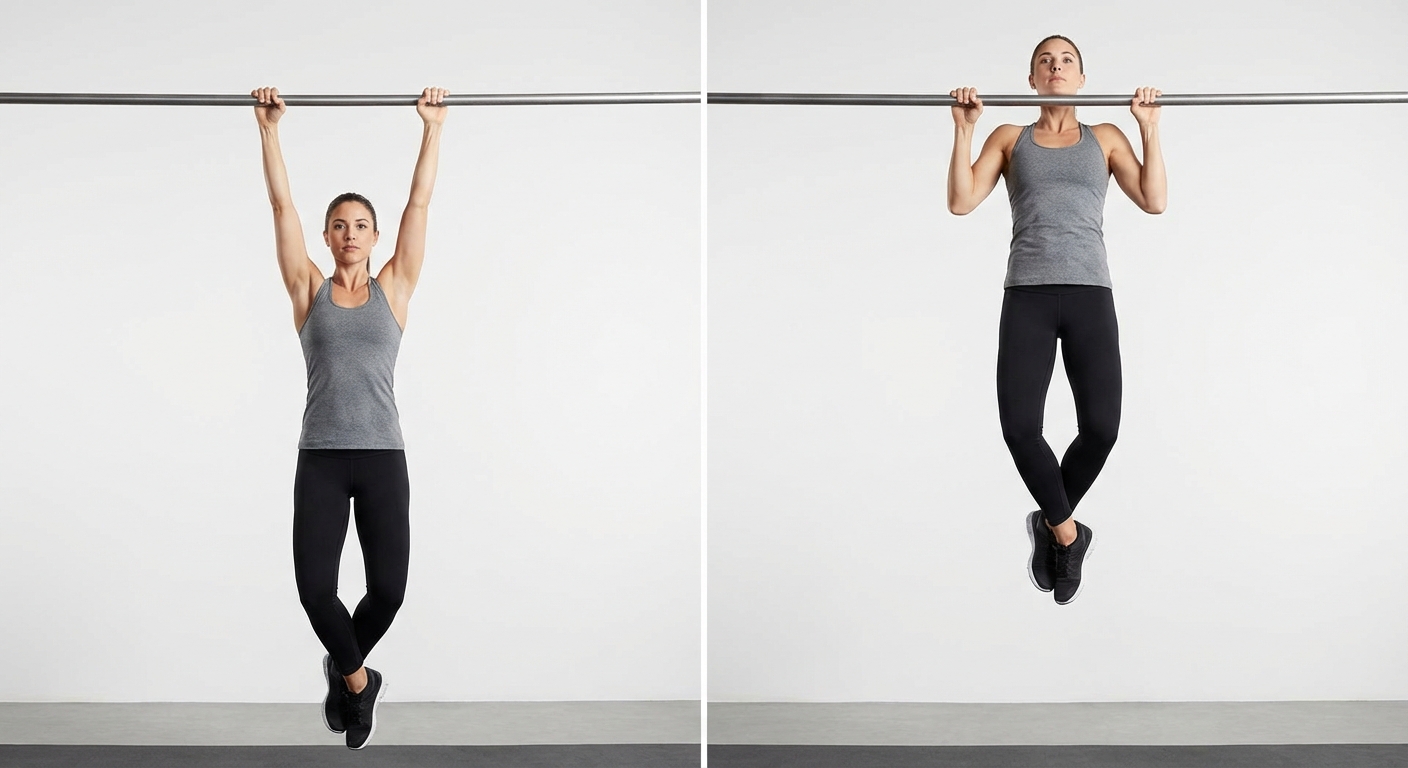
02Pull Ups
Lats · Biceps
Hang from the bar with a wide grip. Pull yourself up until your chest moves toward the bar. Lower yourself back down under control.
-
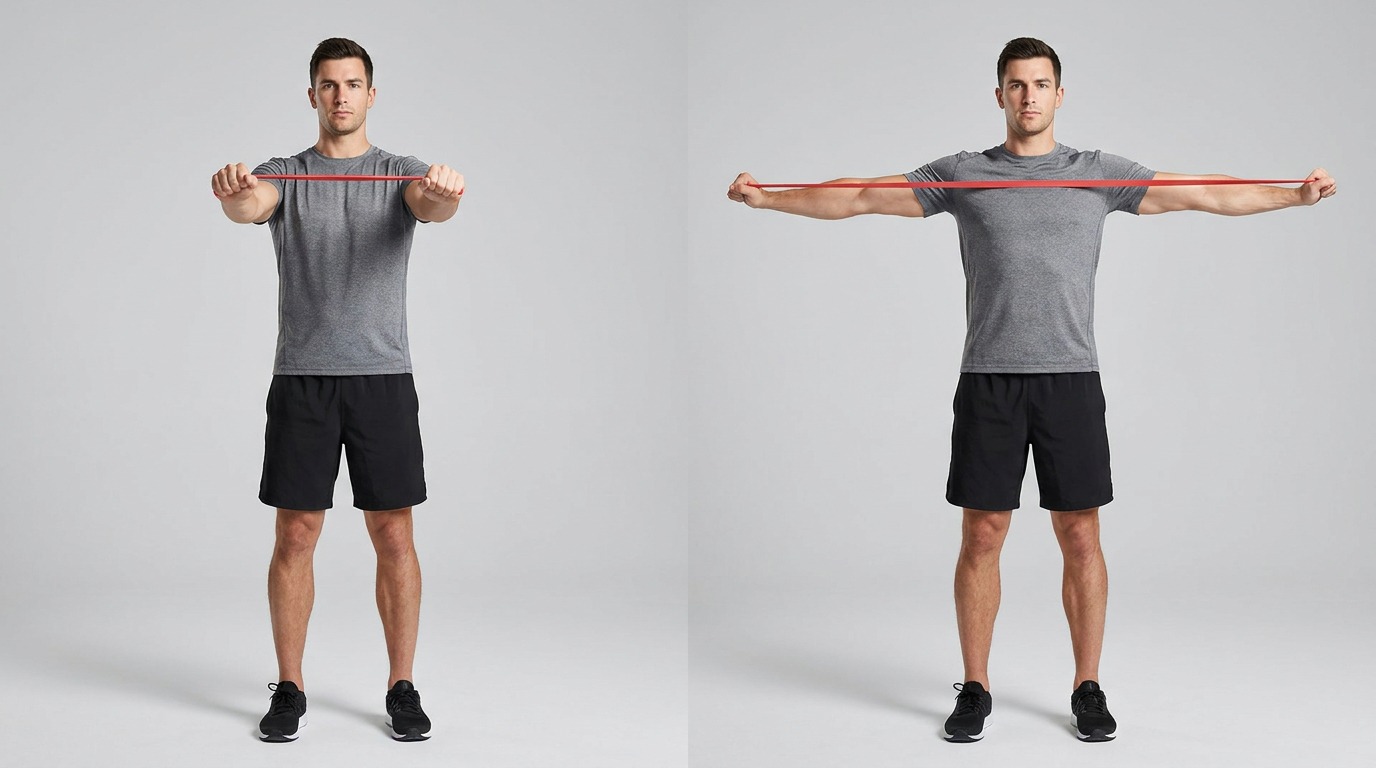
03Banded Pull Apart
Rhomboids · Trapezius · Shoulders
Stand upright and hold a band in front of you with both hands at shoulder width and your arms straight at shoulder height. Pull the band apart by moving your arms out to the sides, and squeeze your shoulder blades together. Keep your arms straight and your shoulders low. Lower back under control.
-
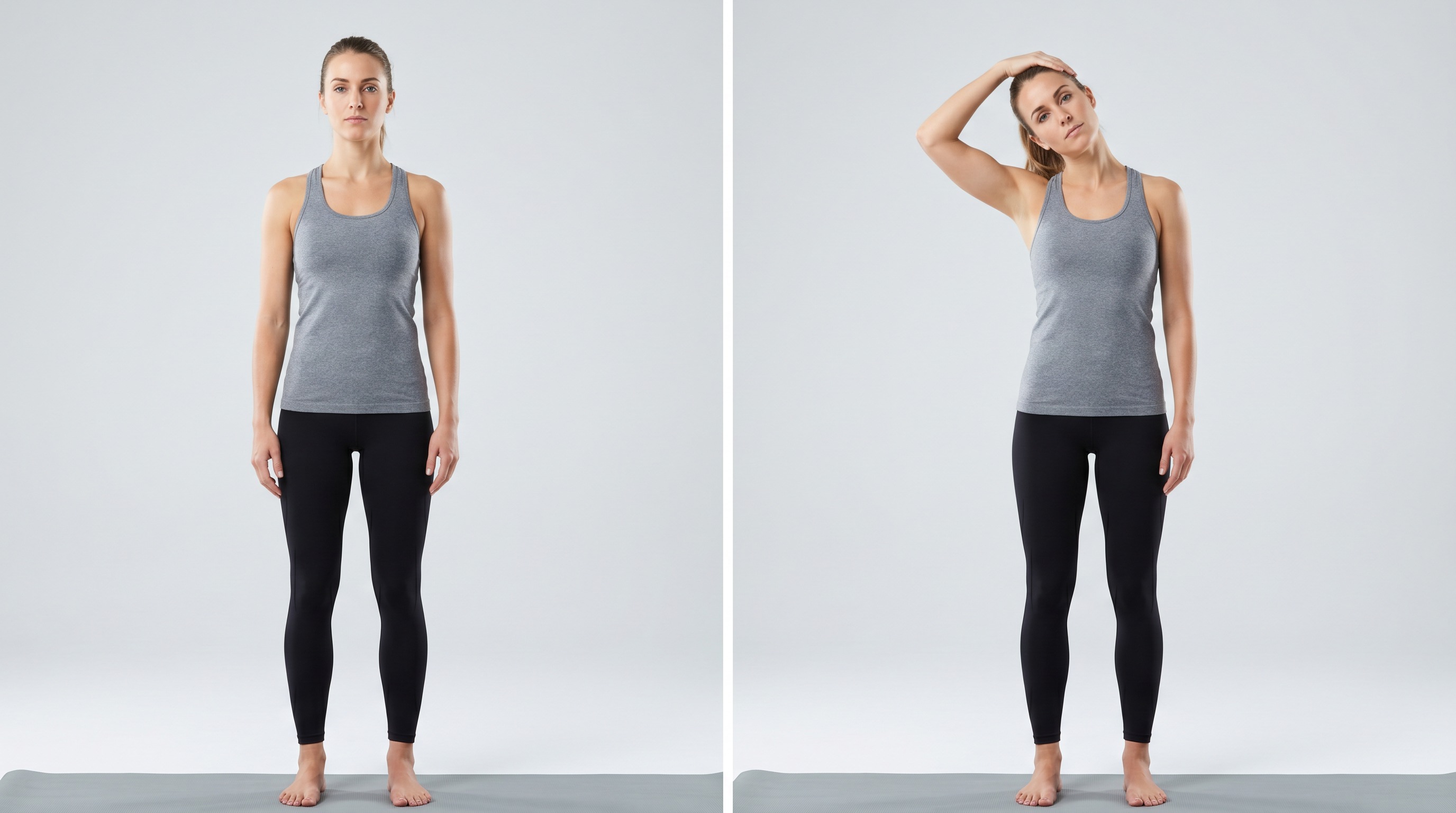
04Upper Trap Stretch
Trapezius
Stand or sit upright with your shoulders relaxed. Tilt your head calmly to the left, as if bringing your ear to your left shoulder. Place your left hand gently on the right side of your head and add light pressure to increase the stretch. Do not pull hard, the weight of your hand is enough. Hold the stretch.
-
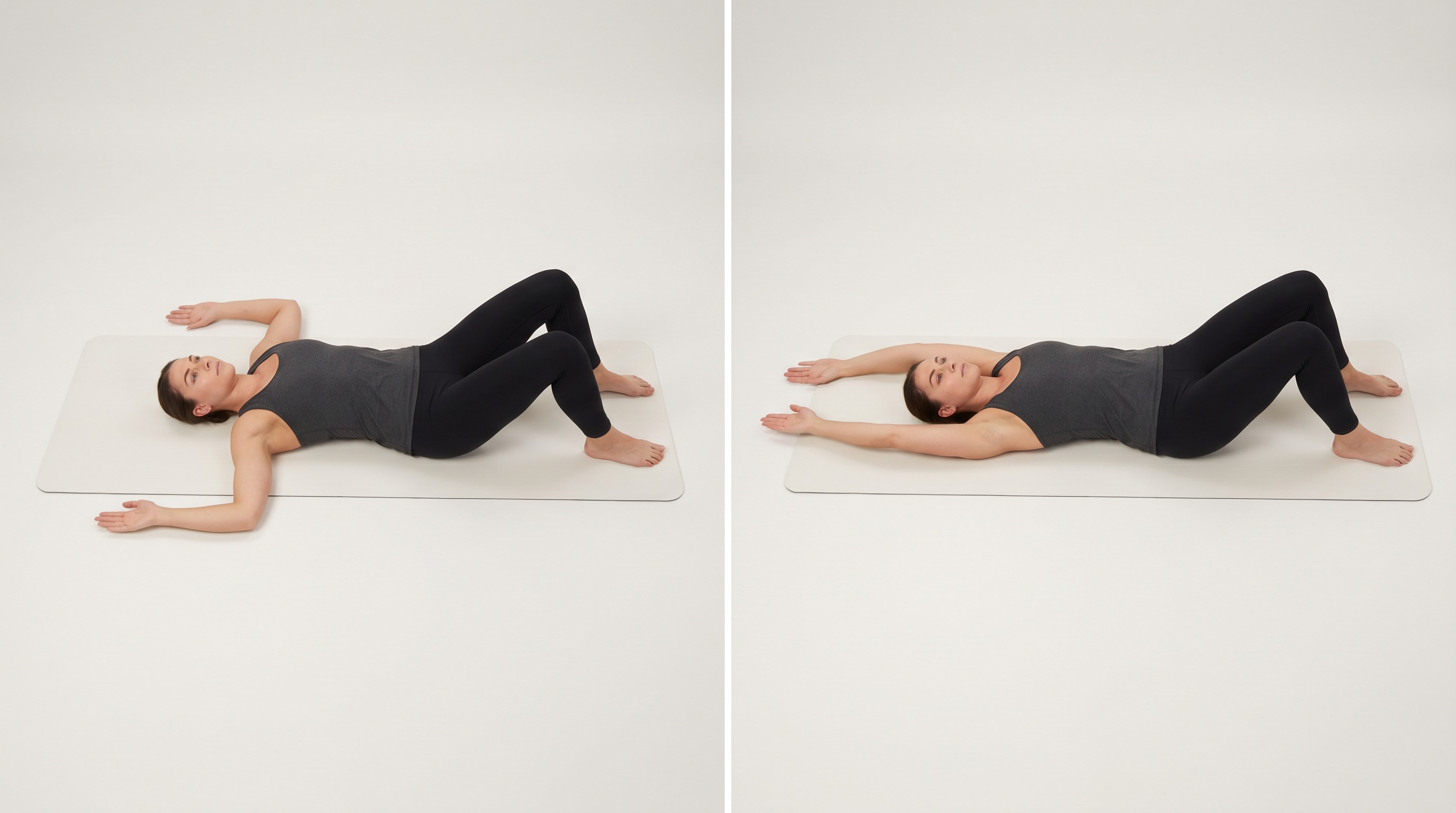
05Floor Angel
Trapezius · Rhomboids · Shoulders
Lie on your back with your arms out to the sides and your elbows at 90 degrees, the backs of your hands toward the floor. Slide your arms slowly along the floor up above your head while keeping contact with the floor. Go as far as is comfortable without letting your lower back lift up. Slide back under control.
-
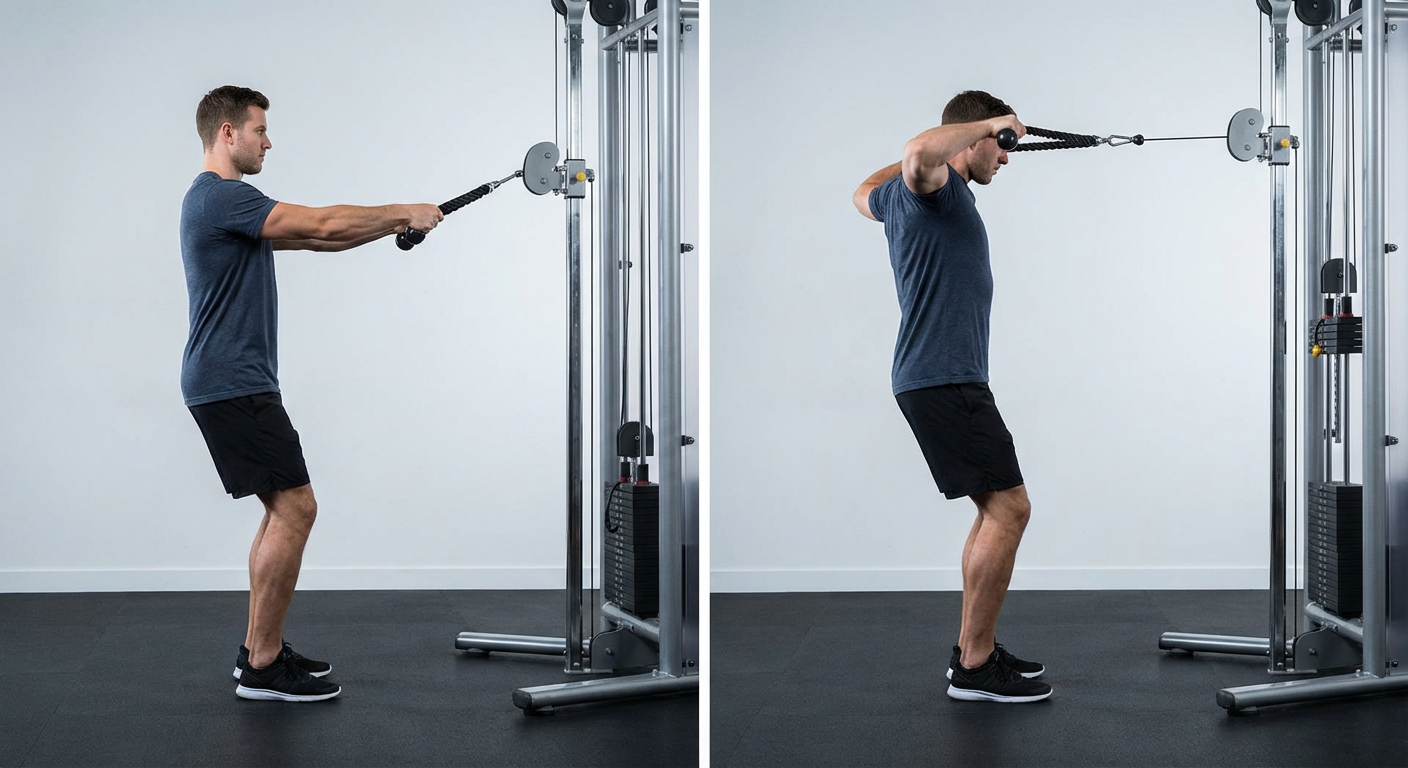
06Cable Face Pull
Trapezius · Shoulders · Rotator Cuff
Grip the rope at face height. Pull the rope toward your face while driving your elbows back and out. Return under control to the start position.
-
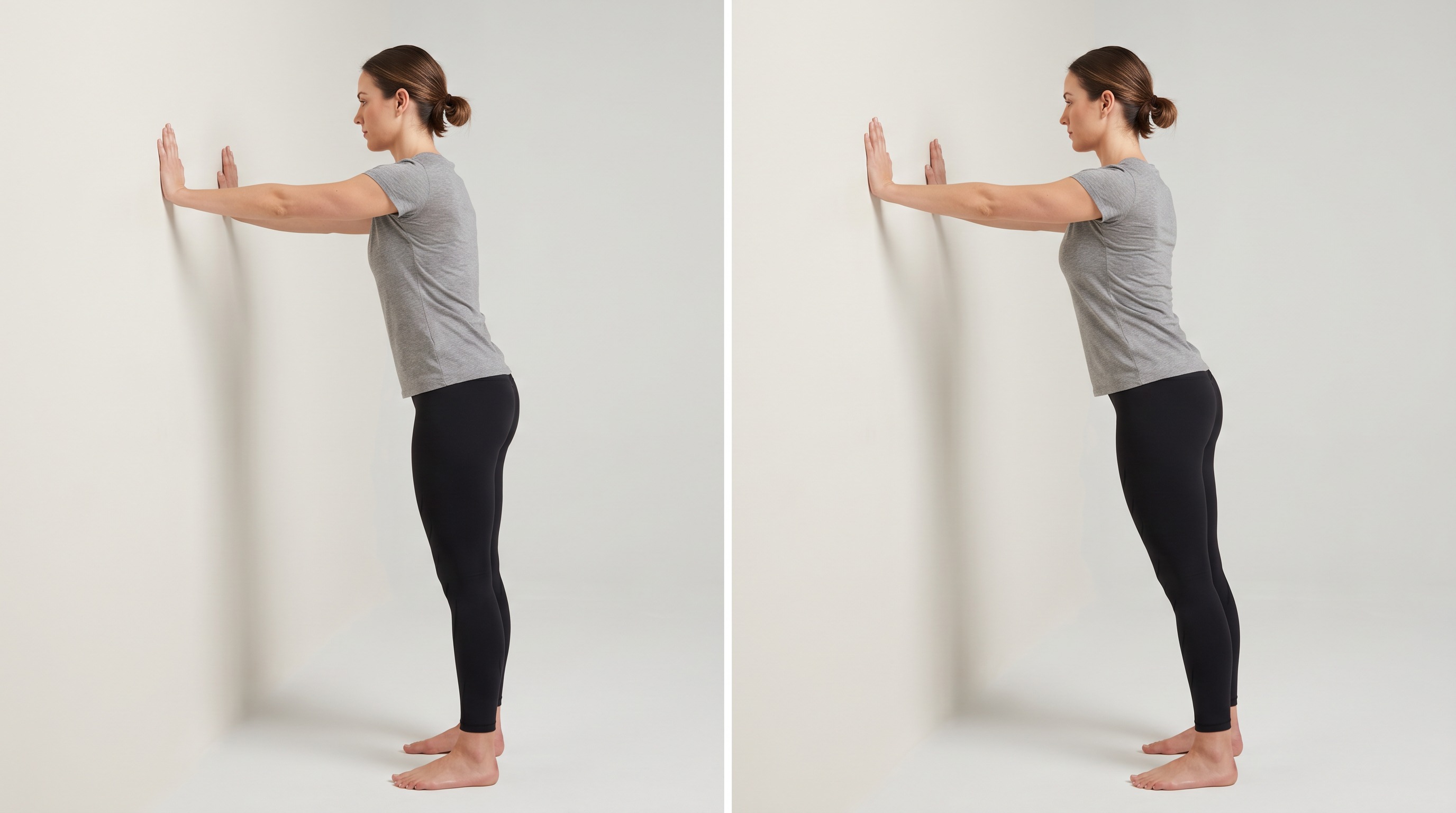
07Scapular Wall Pushup
Trapezius · Rhomboids · Shoulders
Stand an arm's length from a wall with your hands on the wall at shoulder height. Keep your arms straight and slowly squeeze your shoulder blades together so your chest moves towards the wall. Then spread your shoulder blades apart again without bending your elbows. It's a small, controlled movement.
-
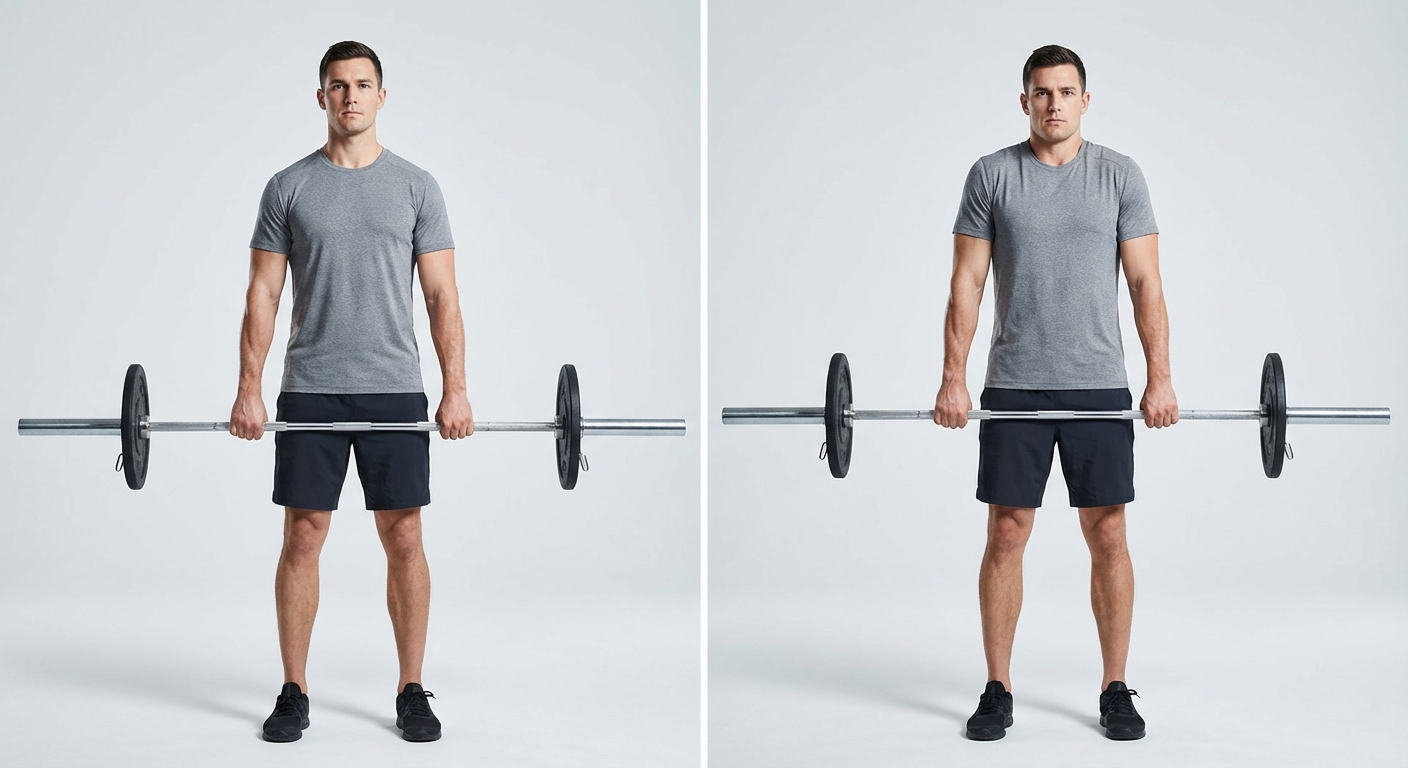
08Barbell Shrug
Trapezius
Stand upright with the barbell in your hands. Pull your shoulders straight up as if trying to bring them to your ears. Lower them back down slowly and under control.
-
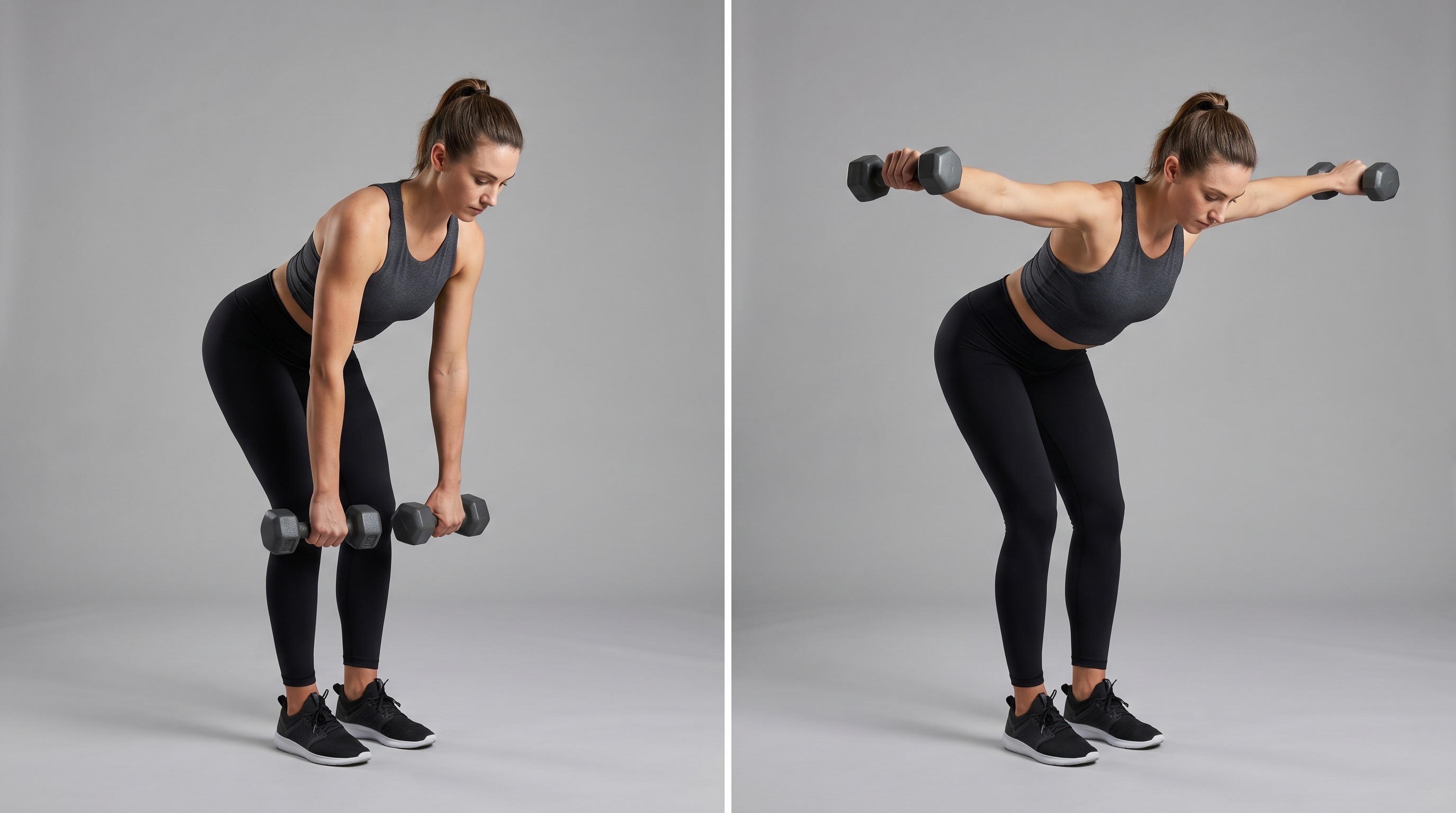
09Reverse Fly
Shoulders · Rhomboids · Trapezius
Bend forward from your hips with a straight back and a weight in each hand, your arms hanging straight down. Raise your arms out to the sides to shoulder height, with a slight bend in your elbows, and squeeze your shoulder blades together. Keep your neck long and look at the floor. Lower back down under control.
-
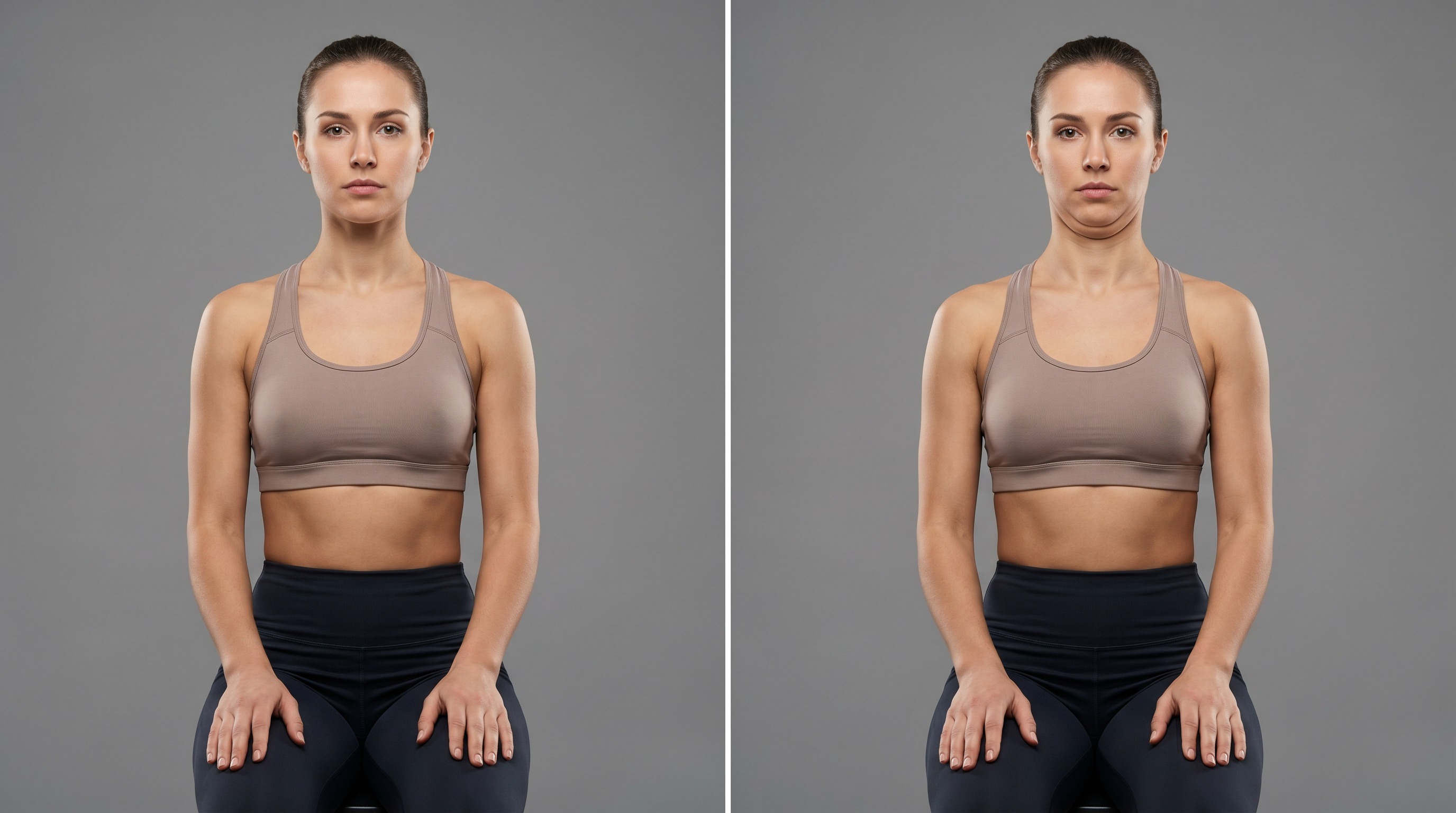
10Chin Tucks
Deep neck flexors
Stand or sit upright with your shoulders relaxed and your gaze straight ahead. Pull your chin back slightly, as if making a double chin, without tilting your head. Feel a stretch at the back of your neck. Hold the tension.
-
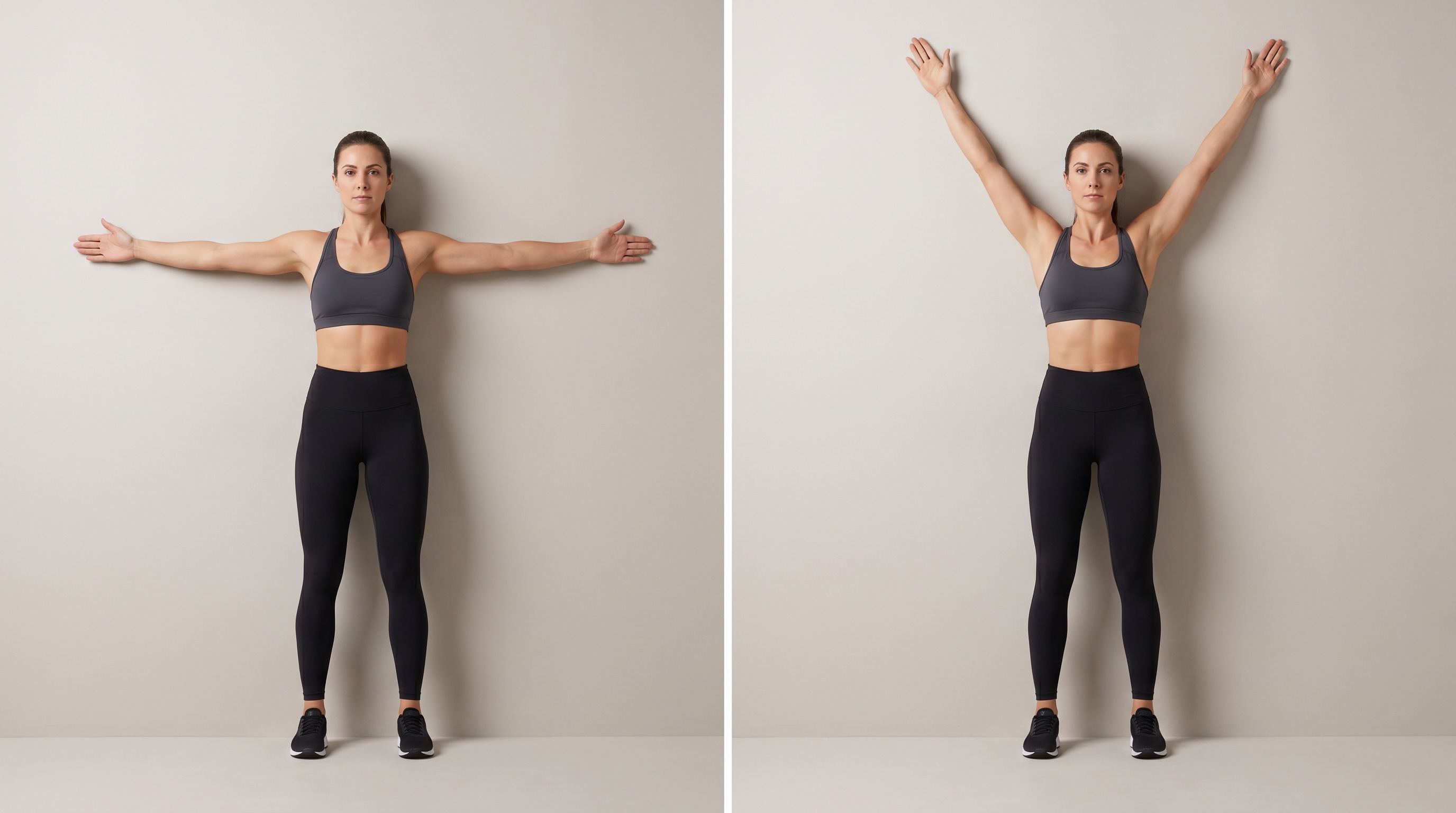
11Wall Angel
Shoulders · Trapezius · Rhomboids
Stand with your back, glutes and head against a wall and your feet a small distance away from it. Stretch your arms out to the sides against the wall in a T shape, with the backs of your hands against the wall. Slide your arms slowly up in a snow-angel motion and back down again. Keep your whole back and arms against the wall, even if that limits the range.
This is how a physiotherapist turns these into a program.
A physiotherapist turns exercises like these into a personal program in seconds and shares it via a link. This is what that looks like on your phone.
Are you a physiotherapist yourself? This is how you build programs like this in secondsWhen should you see a physiotherapist?
Upper back pain during movement or at rest? Or questions about training or load? A physiotherapist can help. Together you look at the cause and put together a plan that fits your situation.
Frequently asked questions
Do upper back exercises help with neck complaints?
Neck and upper back complaints are often connected: stiffness and weakness in the upper back increase the tension on the neck muscles. Mobility of the upper back and strength in scapular control are therefore regularly part of the advice. Whether this is suitable for your complaint, a physiotherapist will assess after examination.
How often should I do upper back exercises?
Frequency and progression differ per person and per complaint. That is why we deliberately do not mention numbers or schedules here. A physiotherapist tailors that to your loading capacity, situation and goal.
Can I just do these exercises myself?
The exercises on this page are general examples. If you have pain, a recent injury or doubt about the execution, do not start on your own but consult a physiotherapist first.
How do I take these exercises to my physiotherapist?
Use the “Take these exercises to your physio” button. Your physiotherapist can use Kinmo to put together a personal schedule from exercises like these in seconds and share it with you via a link.