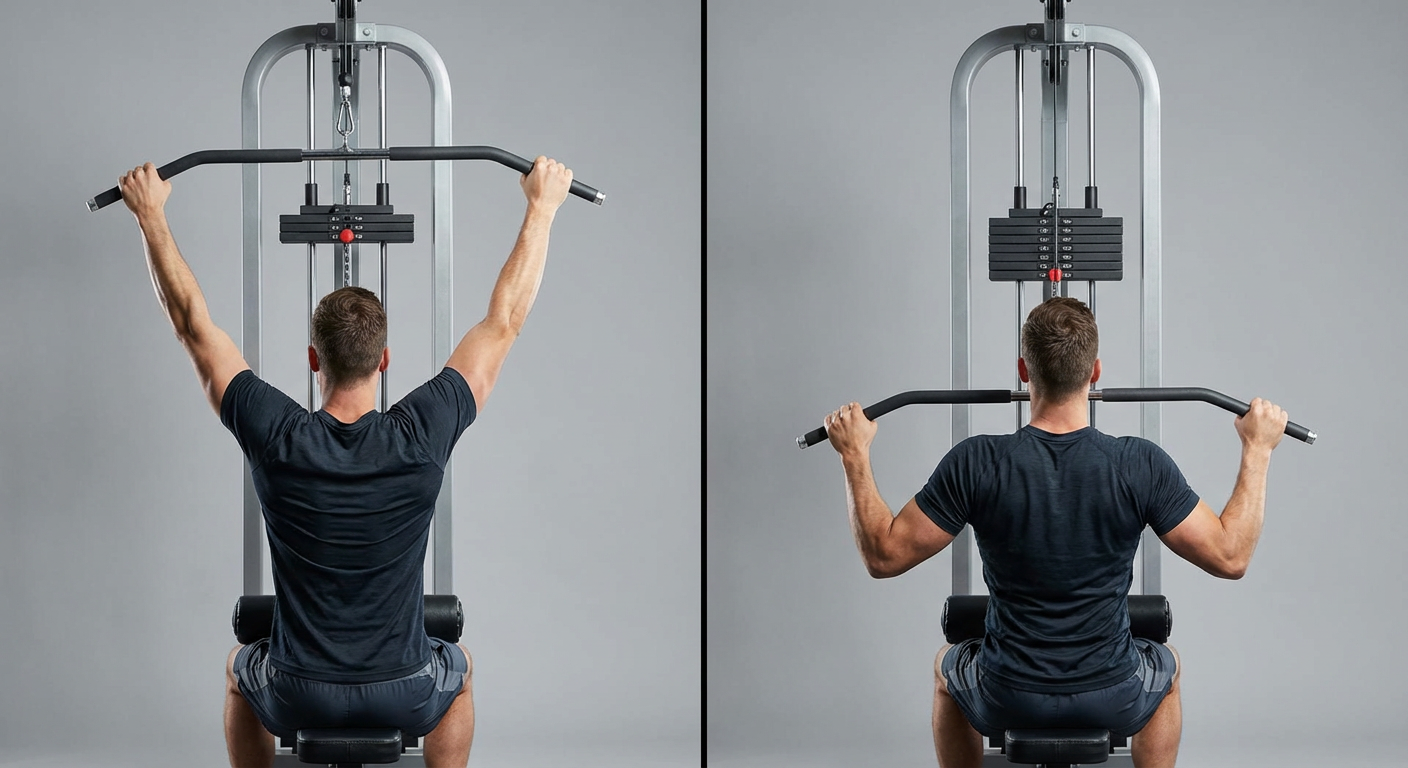
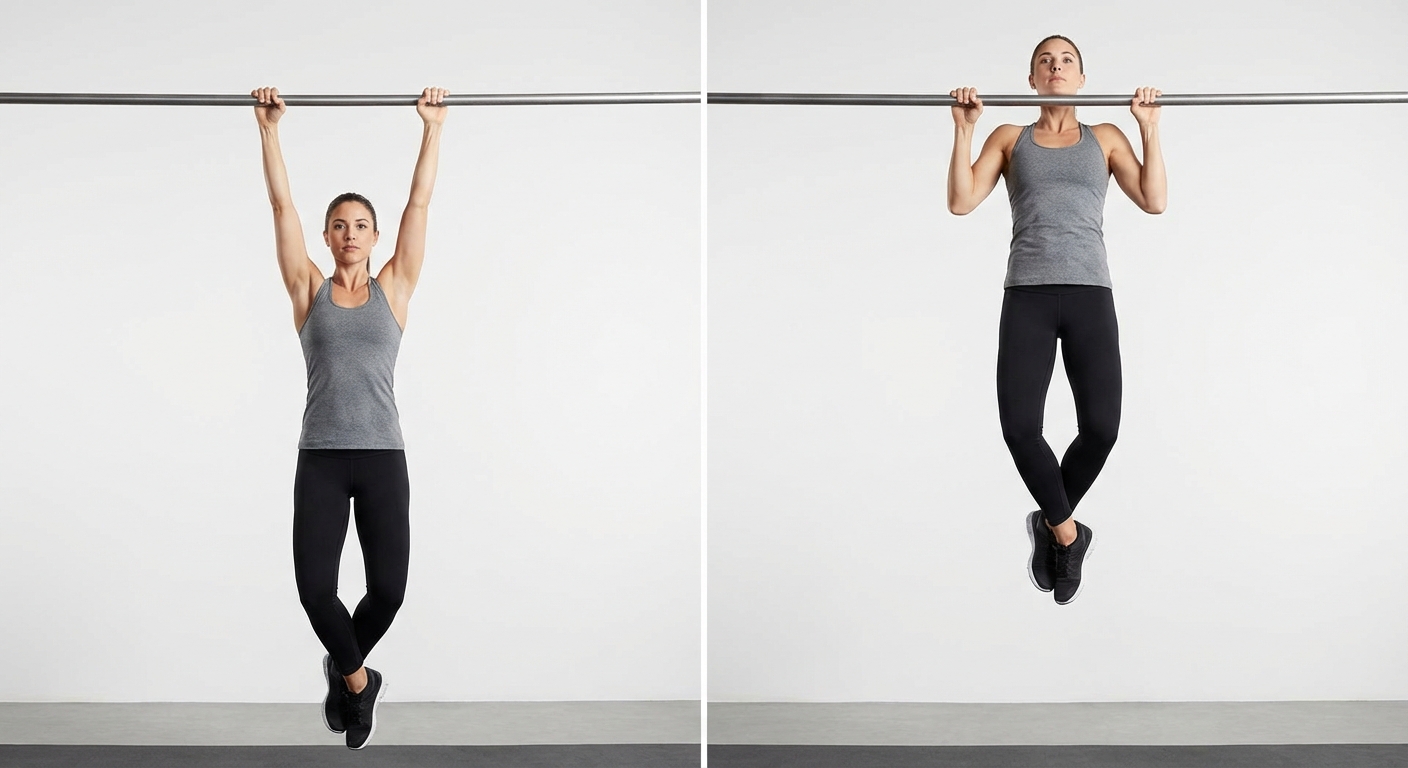
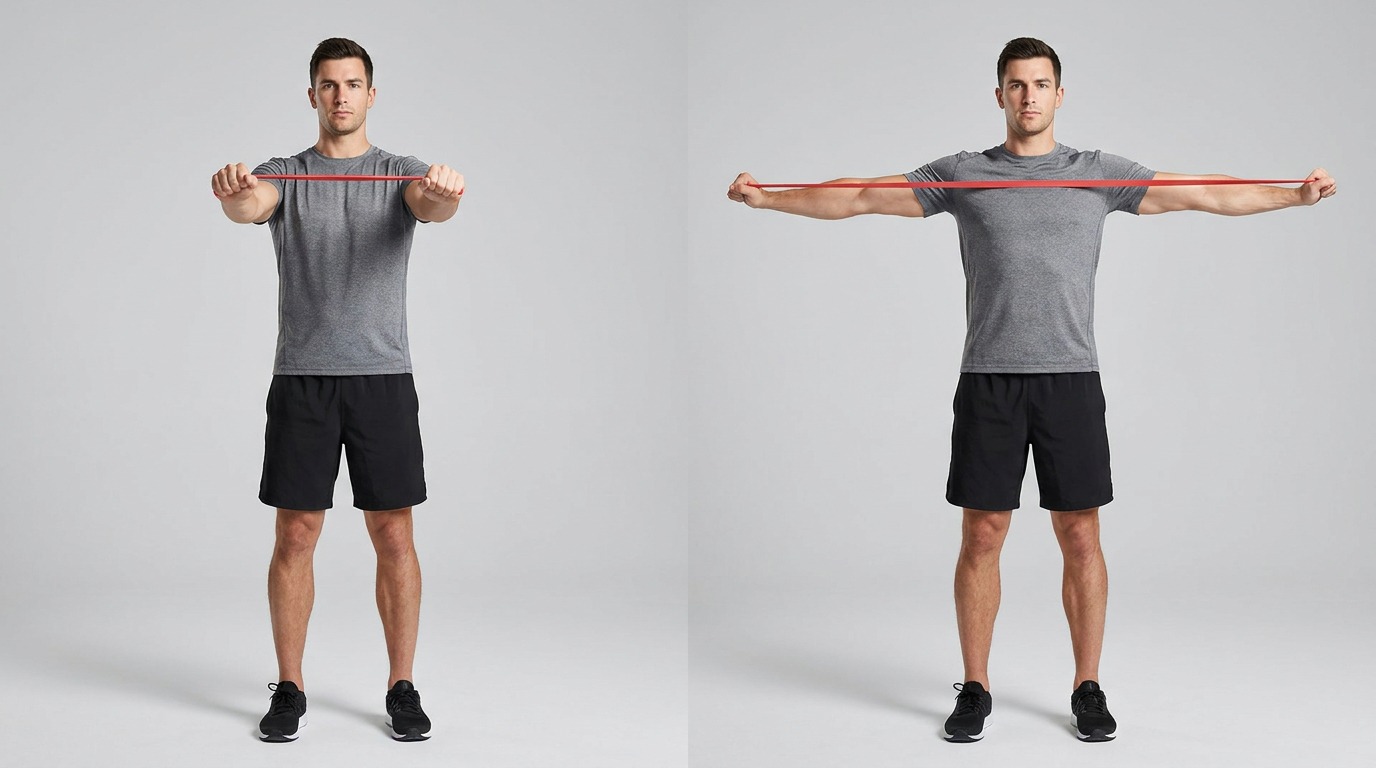
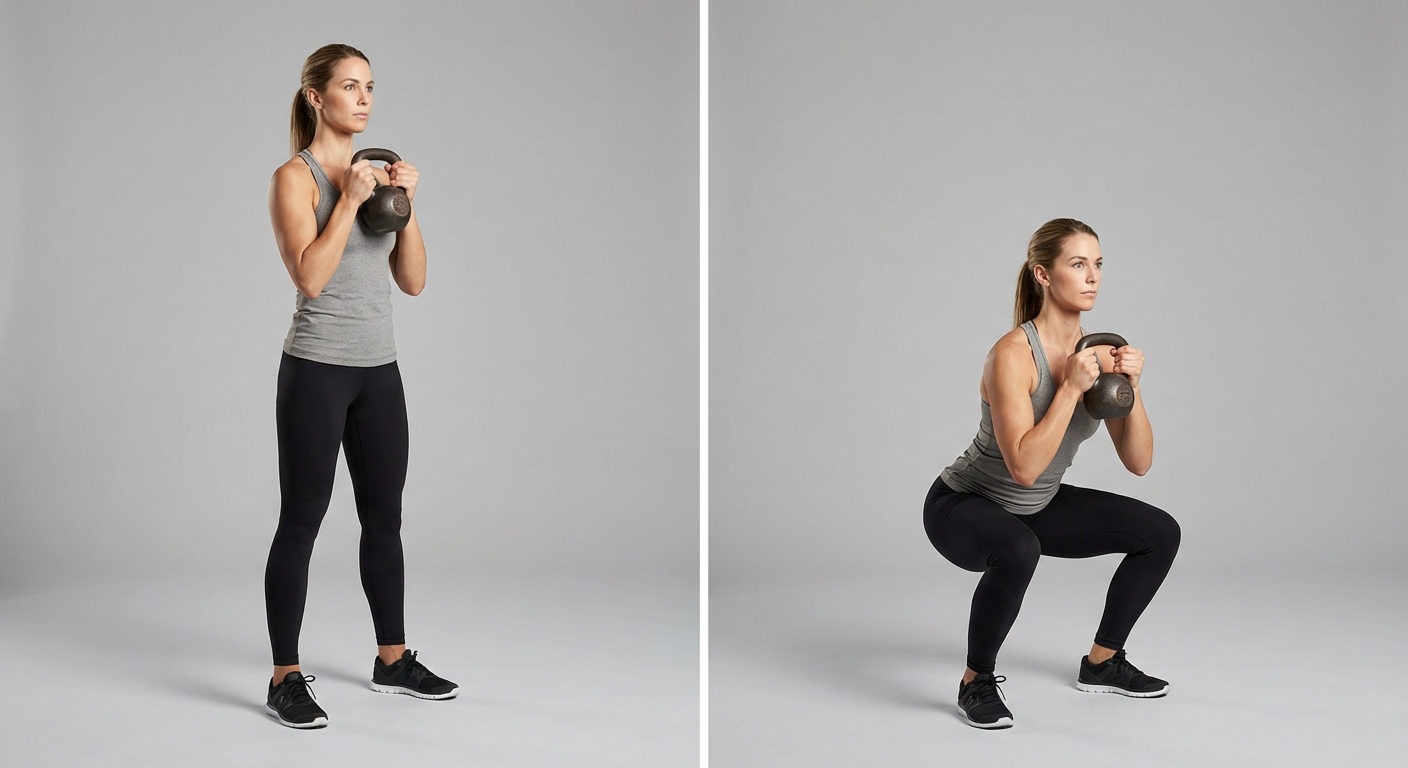
Exercises for the shoulder with photos and instructions.
Exercises for the shoulder work on a healthy balance between stability, strength and mobility. The shoulder is one of the most mobile joints in the body and therefore prone to overuse and complaints. Below is a selection physiotherapists can use.
This page provides general information and is not a substitute for physiotherapy advice. If you have any complaints, consult a physiotherapist.
Exercise sheet · Shoulder · 13 exercises
Exercises for your shoulder
General examples with an image and a short explanation. Which exercises suit you is something you decide together with your physiotherapist.
-
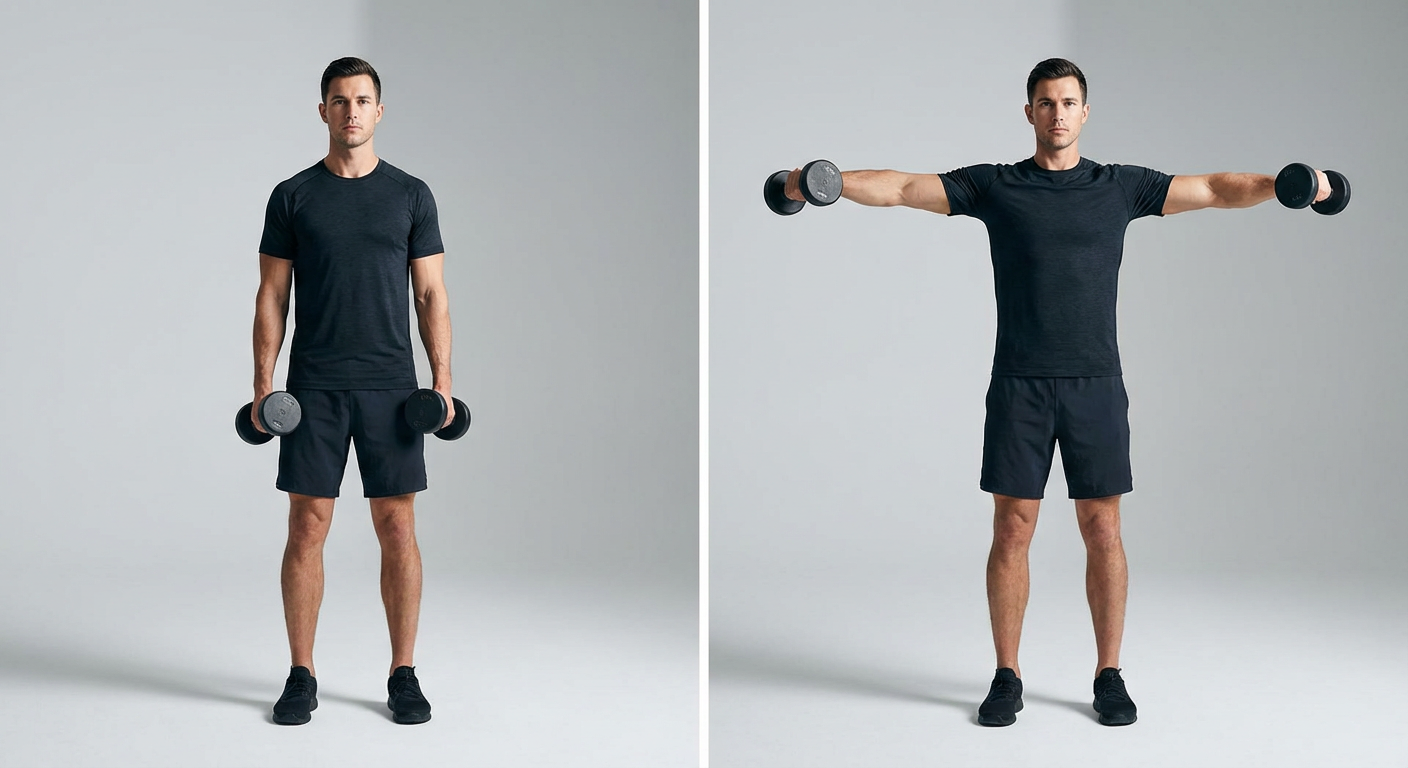
01Dumbbell Lateral Raise
Shoulders
Stand upright with the dumbbells at your sides. Raise them out to the sides up to shoulder height as if making space between your arms and body. Lower them under control.
-
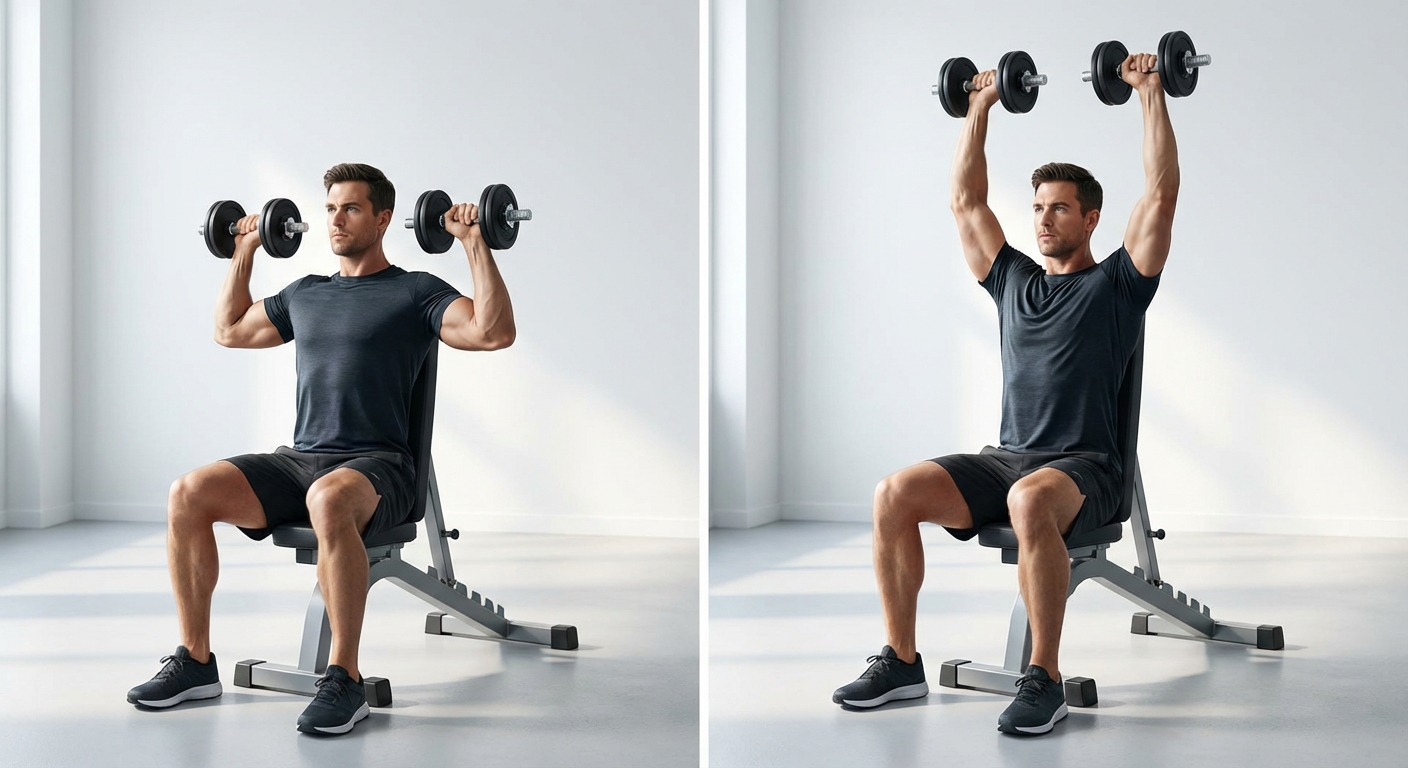
02Dumbbell Shoulder Press
Shoulders · Triceps
Sit or stand upright with the dumbbells at shoulder height. Press the dumbbells straight up until your arms are extended. Lower them under control.
-
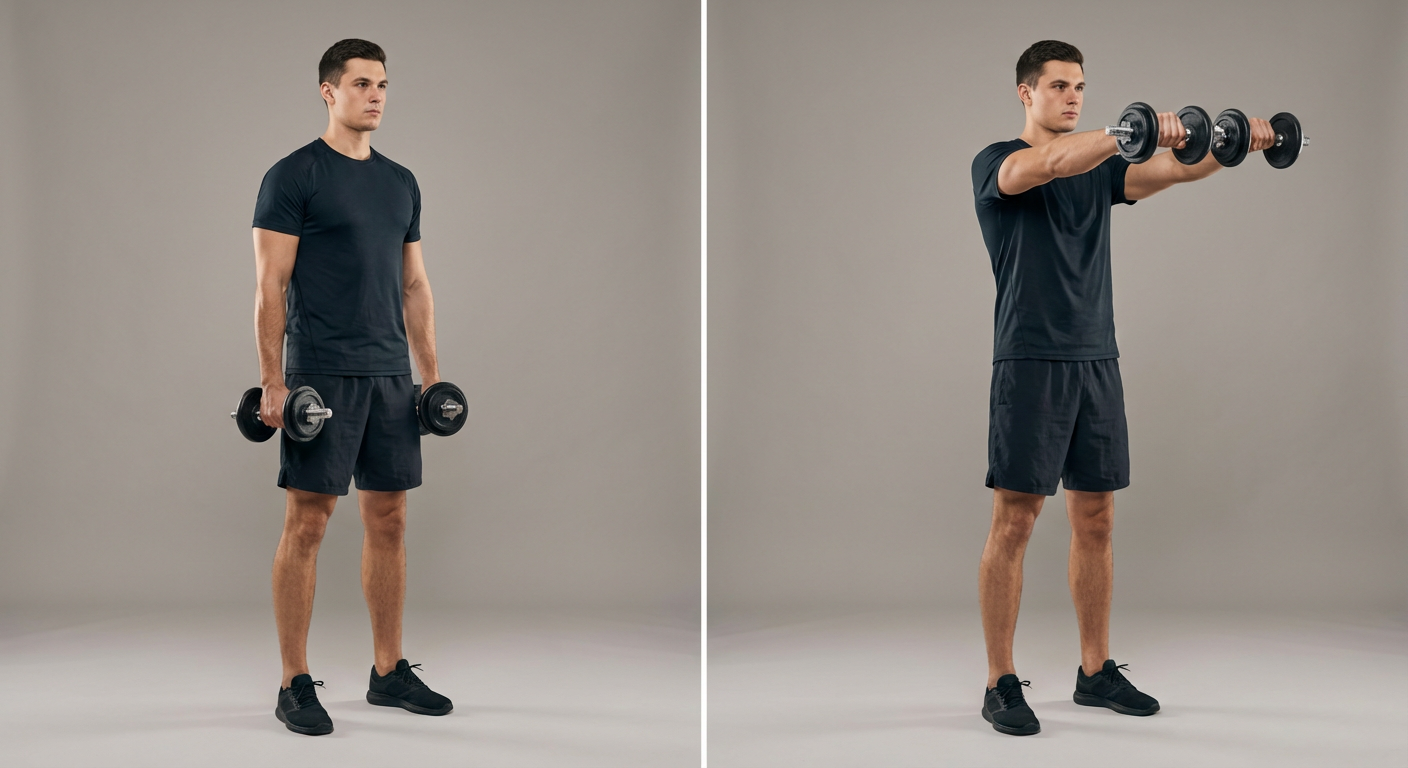
03Dumbbell Front Raise
Shoulders
Stand upright with the dumbbells in front of your thighs. Raise the dumbbells straight in front of you to shoulder height. Keep your shoulders low and do not shrug them up toward your ears. Lower them with control.
-
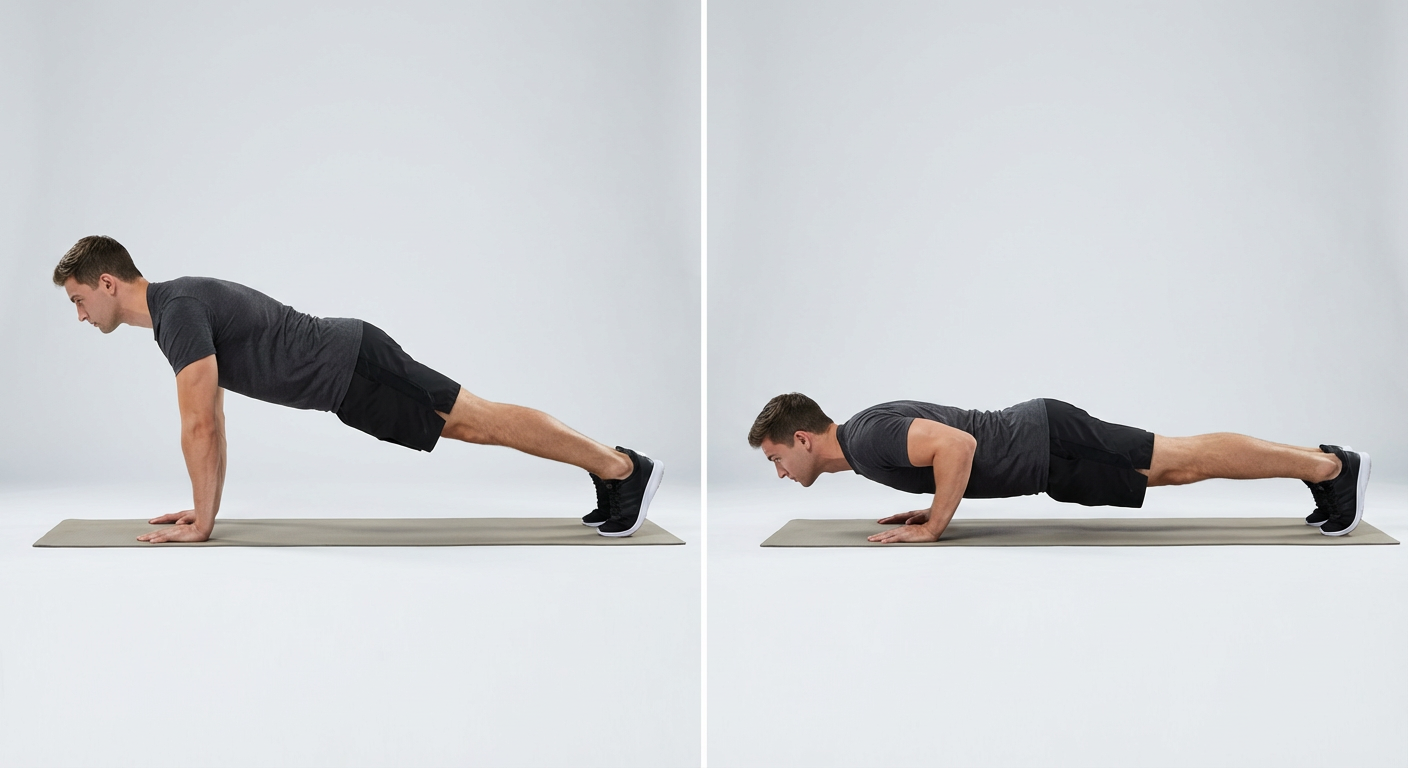
04Push Ups
Borstspieren · Triceps · Shoulders
Place your hands under your shoulders and keep your body straight. Lower until your chest almost touches the floor. Push yourself back up until your arms are extended.
-
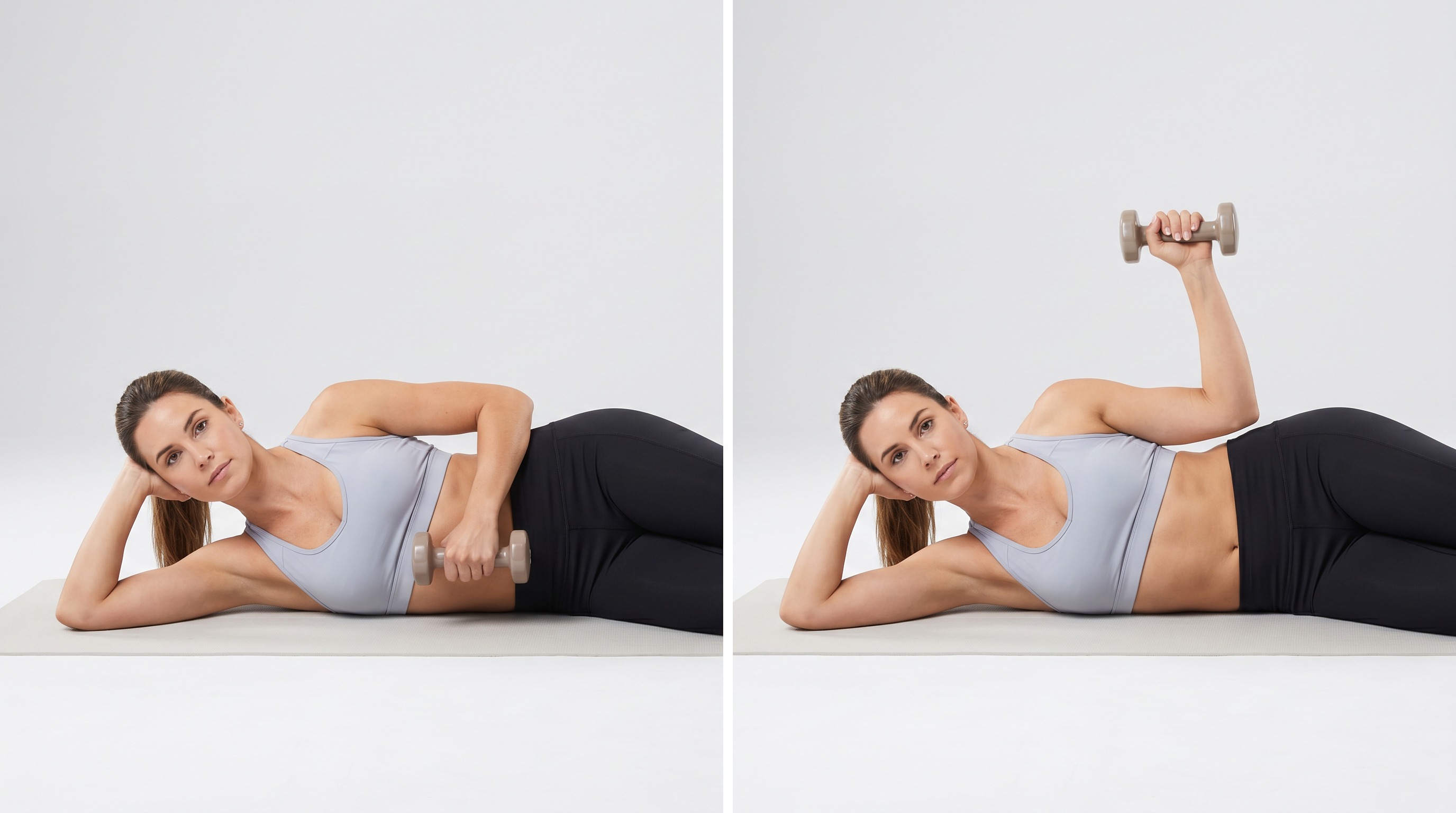
05Side-Lying External Rotation
Shoulders · Rotator Cuff
Lie on your side with your bottom arm under your head for support. Bend your top elbow to 90 degrees and keep it against your side. Rotate your forearm slowly up toward the ceiling, as if opening a door on a hinge. Keep your elbow against your side, it should not slide away. Rotate back with control.
-
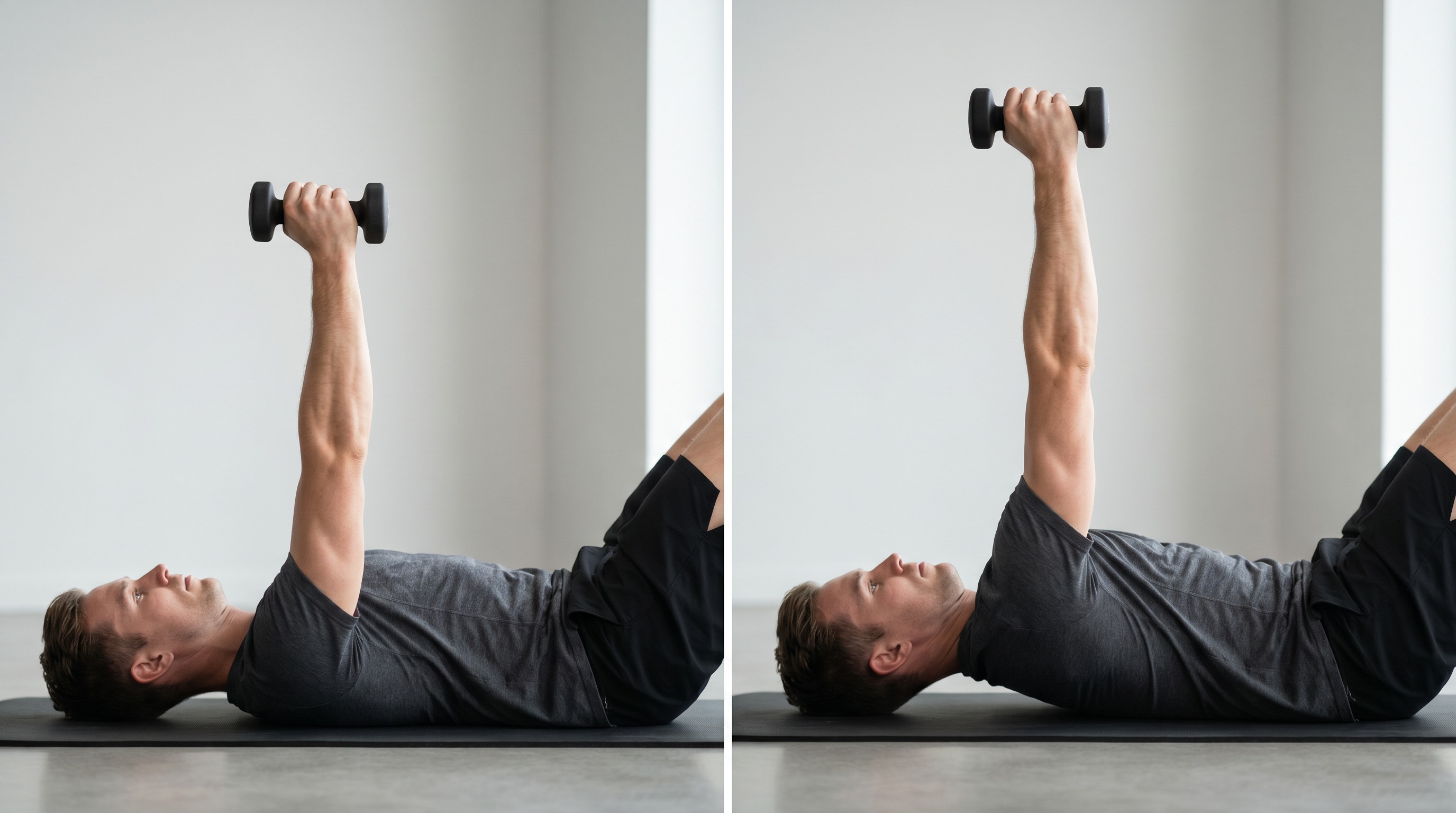
06Serratus Punch
Serratus anterior · Shoulders
Lie on your back with your arm straight up toward the ceiling and a weight in your hand. Push your hand higher by lifting your shoulder blade off the mat, as if reaching for the ceiling. Then let your shoulder blade lower back down under control. Keep your arm straight the whole time.
-
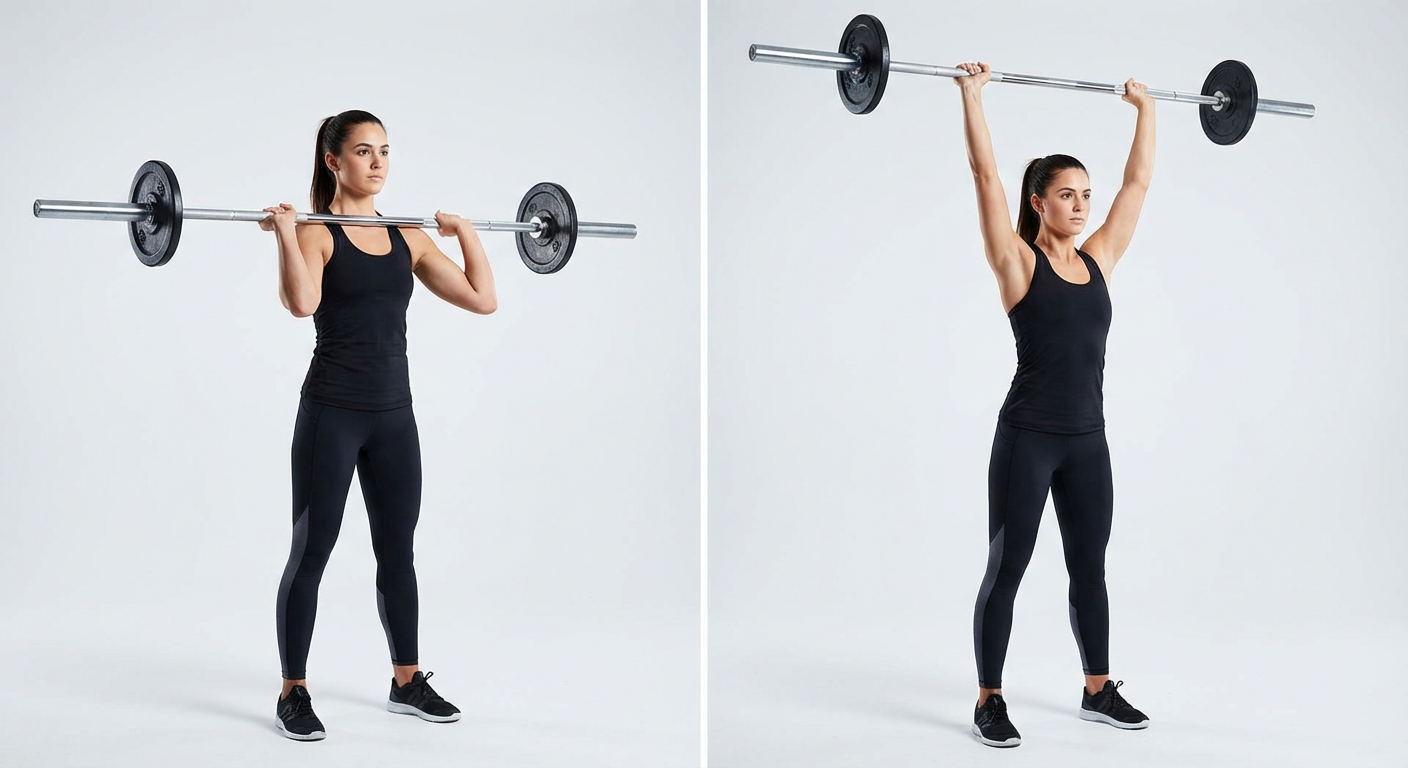
07Military Press
Shoulders
Stand or sit upright with the barbell at shoulder height. Press the bar straight up as if trying to push it through the ceiling. Lower the barbell under control to shoulder height.
-
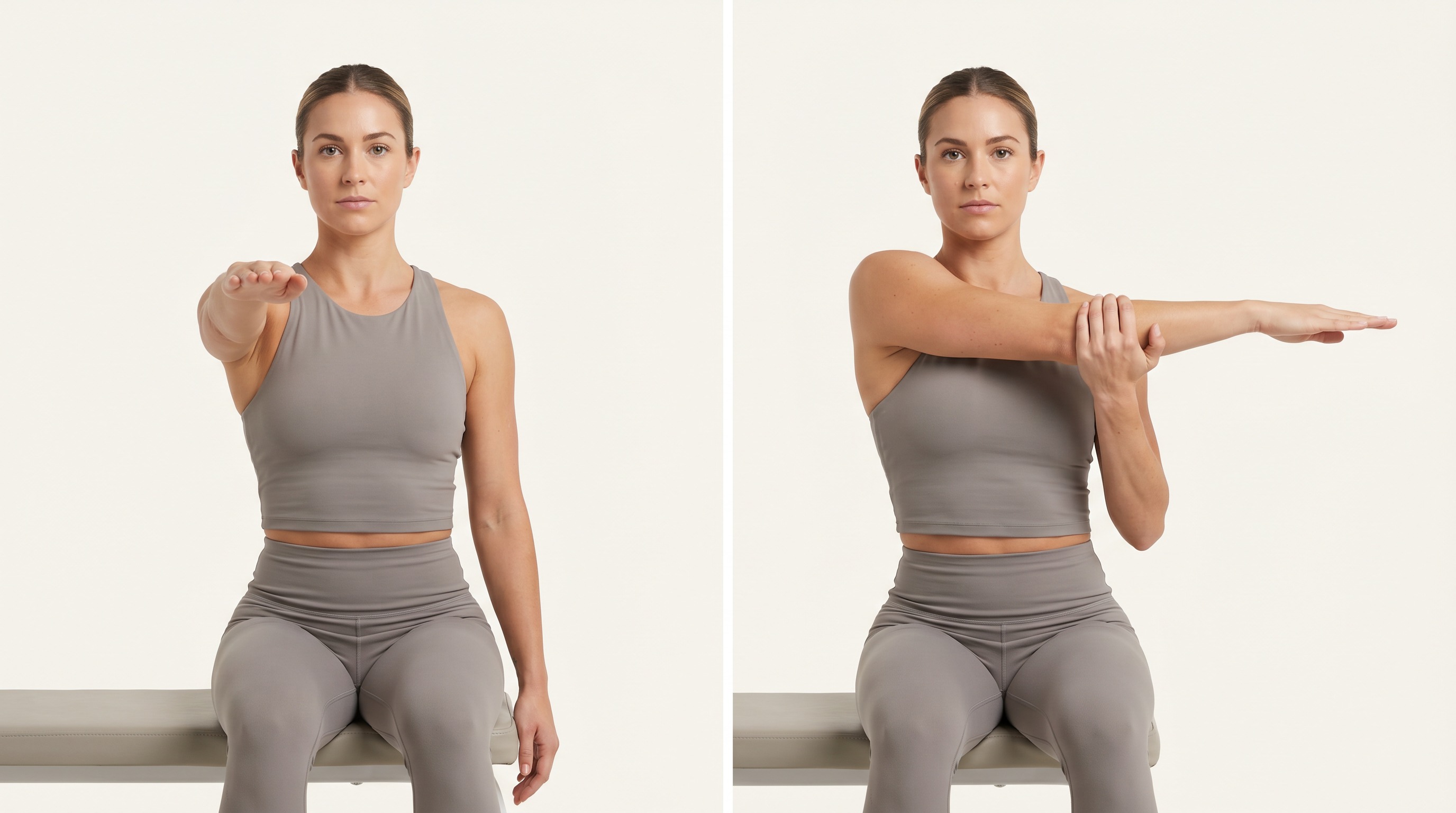
08Cross-Body Shoulder Stretch
Shoulders · Rotator Cuff
Stand or sit up straight. Stretch your right arm out in front of you and bring it horizontally across your chest to the left. Grab your right elbow with your left hand and gently pull your arm closer to your chest. Feel the stretch in the back of your shoulder. Keep your right shoulder low, it does not need to come up.
-
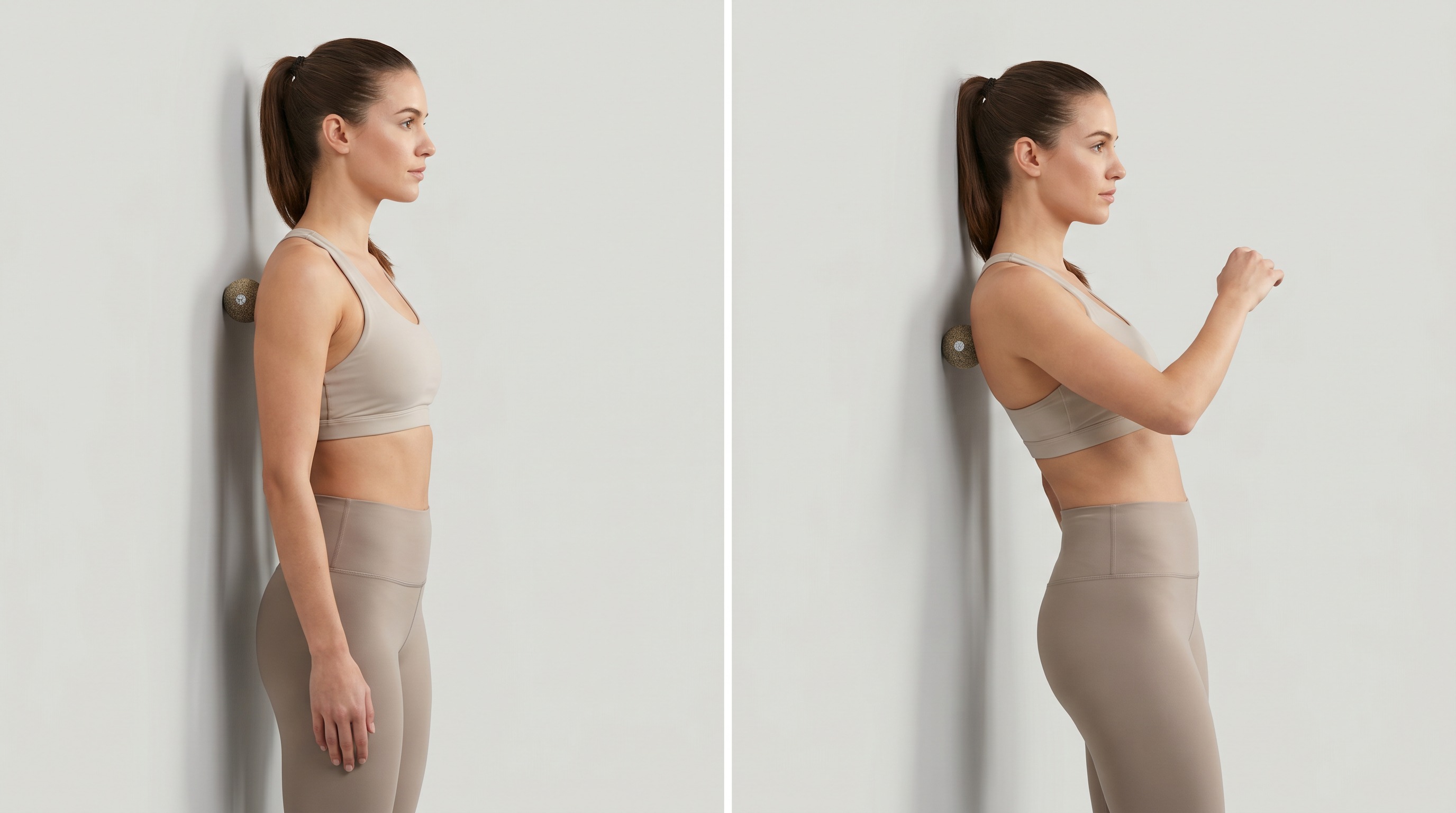
09Infraspinatus release
Rotator Cuff · Shoulders
Place a massage ball below the horizontal ridge on your shoulder blade and lean the ball against the wall. Move your body so the ball rolls over that spot and find a tender point. Hold steady pressure there or roll slowly over it. Keep breathing calmly and don't force the pressure.
-
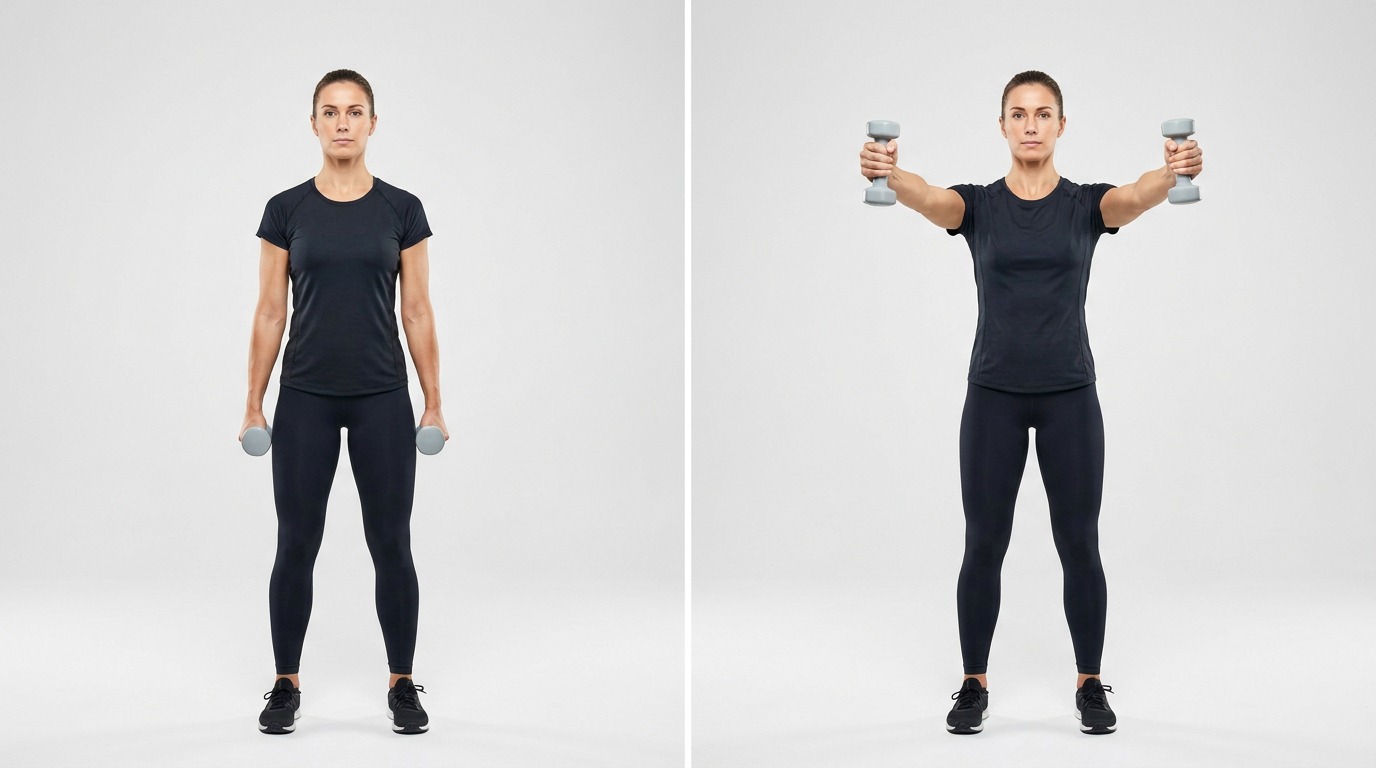
10Full Can Raise
Shoulders · Rotator Cuff
Stand upright with a weight in each hand and your arms by your sides. Turn your thumbs up and raise your arms diagonally forward, about 45 degrees away from your body, to shoulder height. Keep your thumbs pointing up throughout the movement. Lower back down under control.
-
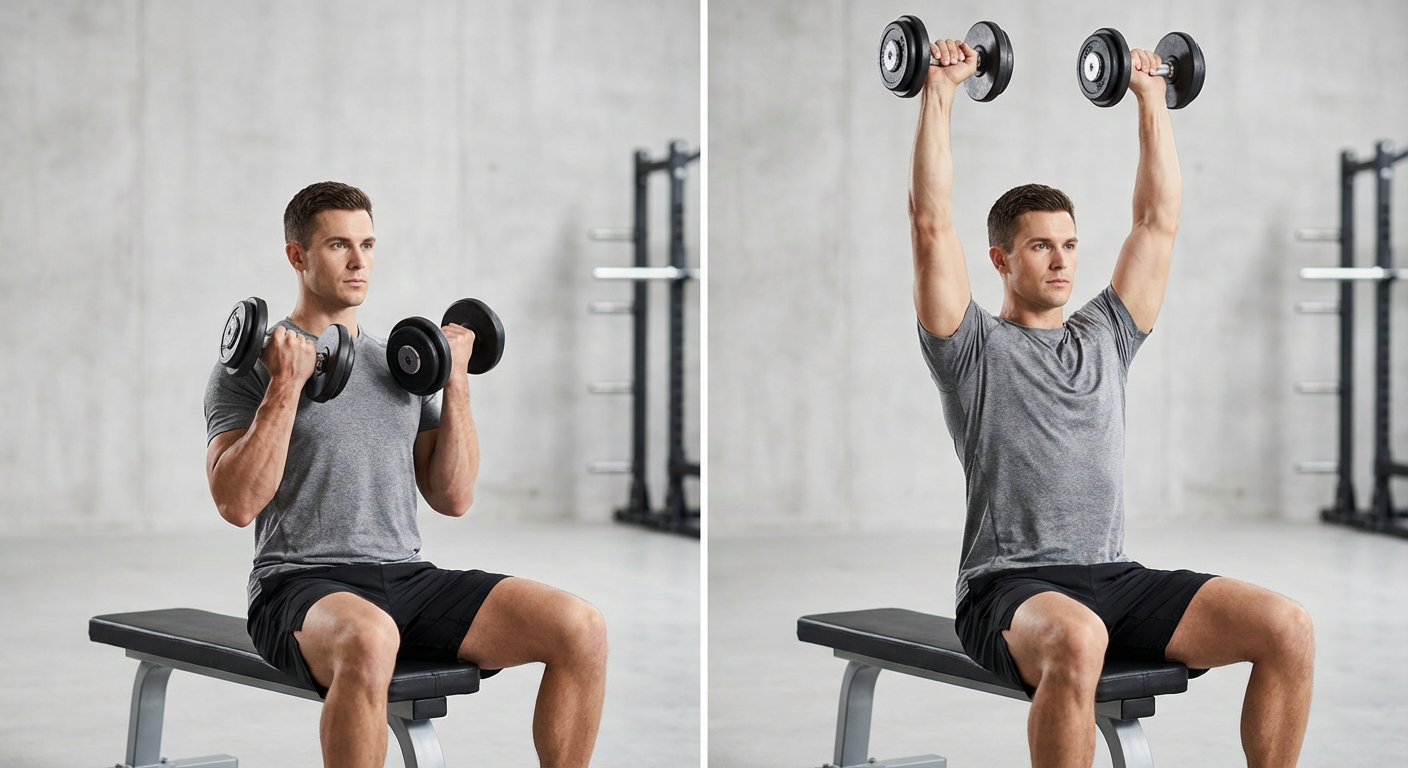
11Arnold Press
Shoulders · Triceps
Sit upright with a dumbbell in each hand in front of your chest, palms facing you. Press the dumbbells overhead and rotate them during the push so your palms face forward at the top. Lower the dumbbells back along the same path under control.
-
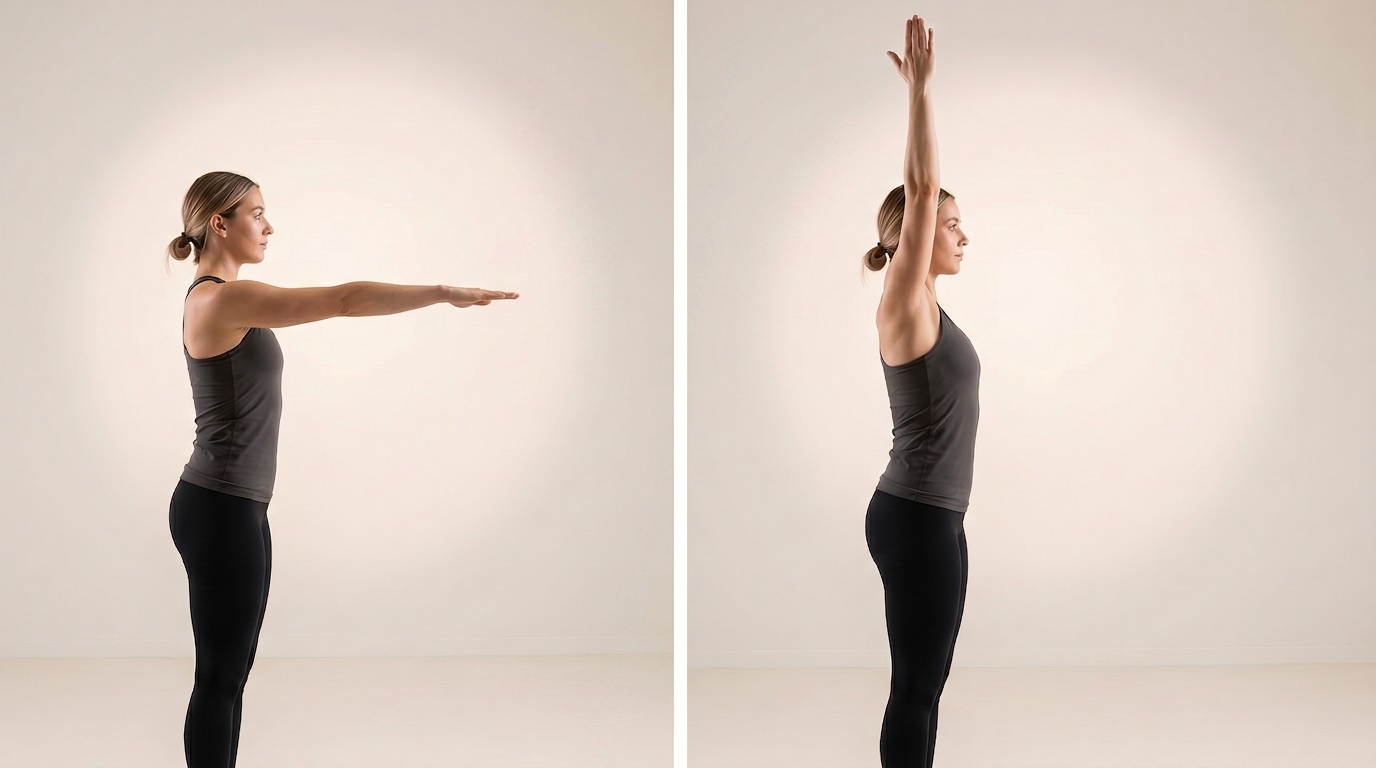
12Shoulder CAR
Shoulders · Rotator Cuff
Stand or sit upright and extend one arm in front of you at shoulder height. Make the largest possible slow circle with your arm: up, back, down and forward again. Keep your torso still and your movement slow and controlled through the entire range. Make a few circles and then go the other way.
-
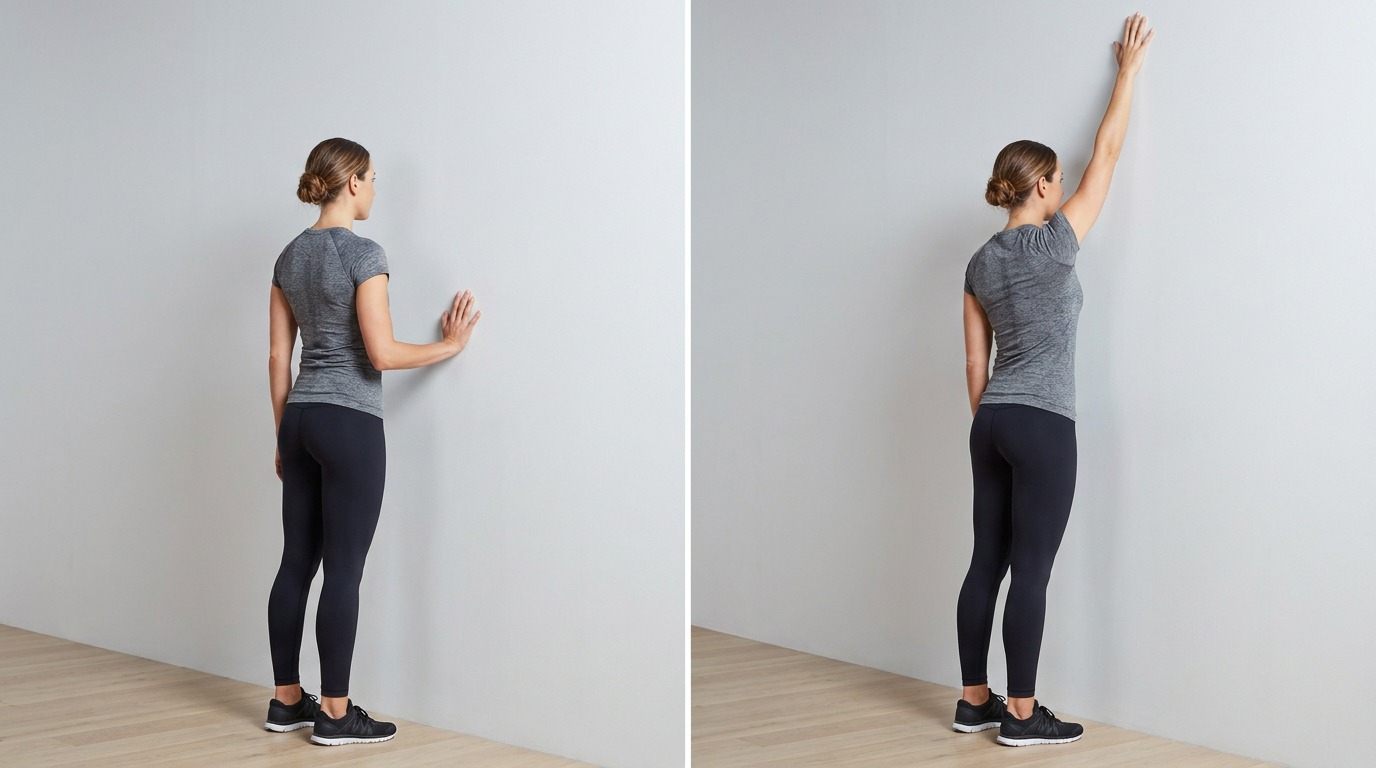
13Wall Crawl
Shoulders
Stand facing a wall and place your fingertips on the wall at hip height. Let your fingers walk up the wall step by step so your arm gradually rises higher. Go as high as is comfortable and keep your shoulder low and relaxed. Then let your fingers walk back down under control.
This is how a physiotherapist turns these into a program.
A physiotherapist turns exercises like these into a personal program in seconds and shares it via a link. This is what that looks like on your phone.
Are you a physiotherapist yourself? This is how you build programs like this in secondsWhen should you see a physiotherapist?
Shoulder pain during movement or at rest? Or questions about training or load? A physiotherapist can help. Together you look at the cause and put together a plan that fits your situation.
Frequently asked questions
Do shoulder exercises help with a frozen shoulder?
For a frozen shoulder (adhesive capsulitis) exercises are often used to gradually restore shoulder mobility. Which exercises fit at which moment depends on the phase (painful, stiff, thawing). A physiotherapist assesses where you are and chooses suitable exercises. Never push through the pain.
How often should I do shoulder exercises?
Frequency and progression differ per person and per complaint. That is why we deliberately do not mention numbers or schedules here. A physiotherapist tailors that to your loading capacity, situation and goal.
Can I just do these exercises myself?
The exercises on this page are general examples. If you have pain, a recent injury or doubt about the execution, do not start on your own but consult a physiotherapist first.
How do I take these exercises to my physiotherapist?
Use the “Take these exercises to your physio” button. Your physiotherapist can use Kinmo to put together a personal schedule from exercises like these in seconds and share it with you via a link.